How to Lower Blood Sugar: Food, Movement and Habits
Learn how food, movement, sleep and stress affect blood sugar. Understand reference ranges, what the research supports, and when to seek urgent care.
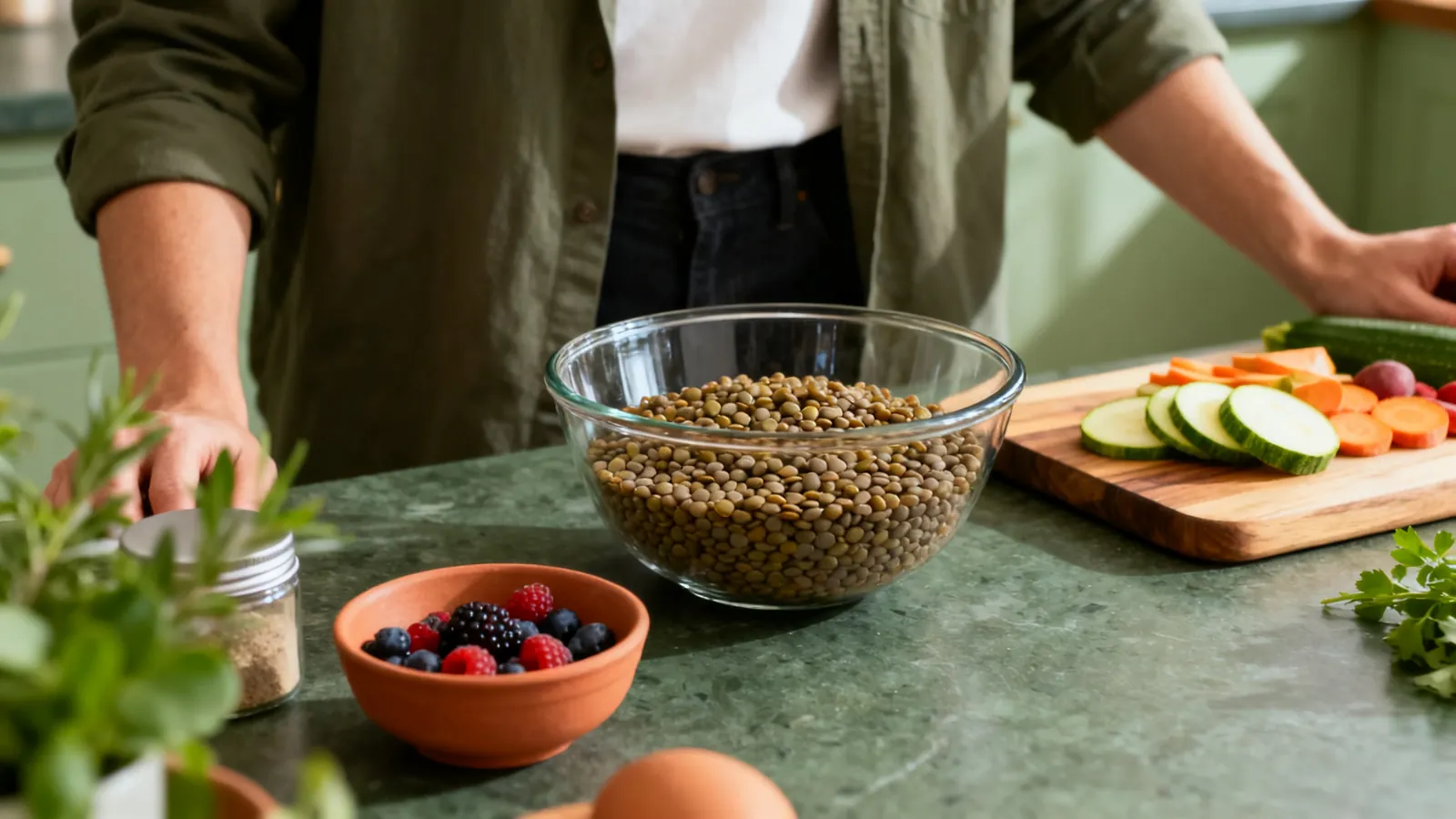
Blood sugar, or blood glucose, is the amount of sugar circulating in the bloodstream at a given moment. It rises after meals as carbohydrates are broken down and absorbed, and it falls as insulin moves glucose into cells for energy or storage. For most adults without diabetes, fasting glucose sits roughly between 70 and 99 mg/dL (3.9–5.5 mmol/L), and two hours after a meal it is usually below 140 mg/dL (7.8 mmol/L). These are general reference ranges, not a diagnosis. A single reading above or below them does not define a condition, and targets for people with diabetes are set individually by a clinician.
The body keeps glucose in a narrow band through insulin, glucagon, the liver, muscle and fat tissue. When that system is strained, fasting glucose drifts up, post-meal spikes last longer, and the average glucose over months, measured by HbA1c, rises. Food, movement, sleep, stress and medication all pull on the same levers.
What the research shows about lowering blood sugar
The strongest evidence for improving blood sugar without medication is not in a single food or supplement. It is in a cluster of habits: eating more fibre and protein, reducing refined carbohydrates and sugary drinks, moving after meals, losing a modest amount of weight if carrying extra, sleeping enough and managing stress. Large trials and reviews consistently find that these changes can lower fasting glucose and HbA1c, especially in people with prediabetes or type 2 diabetes. The effect is real but modest, and it works alongside, not instead of, prescribed care.
Among individual foods, oats, barley, legumes, nuts, leafy greens, berries and fatty fish have the most consistent support. They slow digestion, add fibre or protein, or replace saturated fat with unsaturated fat. Cinnamon, berberine, chromium, magnesium and alpha-lipoic acid have been studied for glucose control. Evidence is mixed. Berberine and cinnamon show some promise in small trials, but results vary by dose, form and population. Chromium and magnesium findings are inconsistent. None of these replace diabetes medication, and none should be started without a clinician if blood sugar is being treated.
Movement has some of the clearest short-term effects. A ten to fifteen minute walk after a meal can blunt the post-meal rise. Resistance training improves insulin sensitivity over weeks. High-intensity interval training also shows benefit, though it is not necessary for most people. The key is consistency, not intensity.
Sleep and stress are underrated. Short sleep and chronic stress raise cortisol, which pushes glucose up. Studies link poor sleep to worse glucose control. Improving sleep hygiene and using stress-reduction techniques such as slow breathing or meditation may help, though the evidence is less direct than for diet and exercise.
How to use food, movement and timing
Start with the plate. Fill half with non-starchy vegetables, a quarter with protein (fish, poultry, beans, tofu, eggs), and a quarter with fibre-rich carbohydrates (whole grains, legumes, starchy vegetables). Eat protein and vegetables before the carbohydrate portion. This order can lower the post-meal glucose rise in small studies.
Fibre: aim for 25–35 g a day from whole foods. Good sources include lentils, chickpeas, black beans, oats, barley, chia seeds, flaxseed, broccoli, and berries. Increase gradually and drink enough water to avoid bloating.
Protein: include a source at each meal. Studies commonly use 20–30 g per meal to support satiety and glucose control. That is roughly a palm-sized portion of fish or chicken, a cup of beans, or a scoop of plain protein powder.
Movement: a walk after meals is the simplest habit. Ten to fifteen minutes is enough to see a difference in post-meal readings. If walking is not possible, chair exercises or marching in place can work. Aim for at least 150 minutes of moderate activity a week, plus two sessions of resistance training. Break up long sitting periods every 30 minutes with a short walk or stretch.
Timing: eating within a consistent window, such as 10–12 hours, may help some people, but research is ongoing. Skipping breakfast is not required. For those on insulin or sulfonylureas, changing meal timing can cause low blood sugar, so any change should be discussed with the prescriber.
Supplements: if considering cinnamon, berberine, chromium or magnesium, know that studies use different forms and amounts. Cinnamon trials often use 1–6 g a day of cassia or Ceylon cinnamon; cassia contains coumarin, which can harm the liver in high doses. Berberine studies commonly use 500 mg two to three times a day, but it interacts with many medications and is not for pregnancy or breastfeeding. Magnesium amounts vary; 200–400 mg a day of elemental magnesium is common. These are general research amounts, not recommendations. Always check with a pharmacist or doctor first.
Side effects, interactions and who should avoid supplements
Cinnamon: generally safe in food amounts. High-dose cassia cinnamon can cause liver damage in sensitive people. Avoid concentrated cassia supplements if you have liver disease or take medication that stresses the liver.
Berberine: can cause digestive upset, cramping and diarrhea. It interacts with many drugs, including those for diabetes, blood pressure, and blood thinners. It should not be used during pregnancy or breastfeeding. It can lower blood sugar, so combining it with diabetes medication can cause hypoglycemia.
Chromium: may cause upset stomach and headaches. It can interact with insulin and diabetes drugs. Avoid if you have kidney disease.
Magnesium: too much can cause diarrhea, nausea and, in kidney disease, dangerous accumulation. People with kidney problems should not take magnesium supplements without medical advice. It can interfere with certain antibiotics and osteoporosis drugs.
Alpha-lipoic acid: may cause nausea, rash and low blood sugar. It can interact with diabetes medication and thyroid drugs.
Anyone taking insulin, sulfonylureas, or other glucose-lowering medication should not change diet, exercise or supplements without talking to the prescriber. The same applies to people with kidney disease, liver disease, pregnant or breastfeeding women, and those scheduled for surgery.
Common mistakes and what food cannot do
A common mistake is relying on a single food or supplement while ignoring overall diet and activity. No food, powder or tea can cancel out a high-sugar, highly processed diet. Another mistake is stopping diabetes medication because readings improve. Improved readings are often the result of the medication; stopping it can cause dangerous highs.
“Lowering blood sugar fast” is not a goal for everyday management. Rapid drops can cause hypoglycemia, which is dangerous. The exception is a medical emergency, where high blood sugar requires urgent care, not kitchen remedies.
Food and habits cannot cure diabetes, reverse nerve damage, or replace prescribed treatment. They can support glucose control and reduce the risk of progression from prediabetes to type 2 diabetes in some people, but the evidence is strongest for combined lifestyle changes, not isolated ingredients.
When to get urgent help
Very high blood sugar can become an emergency. Warning signs include extreme thirst, frequent urination, blurred vision, confusion, drowsiness, fruity-smelling breath, nausea, vomiting, deep rapid breathing, and loss of consciousness. These can signal diabetic ketoacidosis or hyperosmolar hyperglycemic state, which need emergency care. Do not try to treat these at home.
Low blood sugar (hypoglycemia) can occur in people on certain medications. Symptoms include shakiness, sweating, confusion, rapid heartbeat, and hunger. If you take insulin or a sulfonylurea and have these symptoms, follow your prescribed low-blood-sugar plan and seek help if they do not improve.
Comparison of common approaches
| Approach | What it involves | Evidence strength | Who it does NOT suit |
|---|---|---|---|
| Fibre-rich diet | 25–35 g fibre daily from whole foods | Strong for glucose control | People with certain digestive conditions, such as severe IBS or bowel narrowing, unless cleared by a doctor |
| Post-meal walking | 10–15 minutes after meals | Strong for post-meal spikes | People with mobility limitations or unstable heart conditions, unless cleared |
| Resistance training | 2 sessions per week | Strong for insulin sensitivity | People with uncontrolled high blood pressure or recent injury, unless cleared |
| Cinnamon | 1–6 g daily, food or supplement | Mixed; small trials | People with liver disease; those on blood thinners or diabetes medication without medical advice |
| Berberine | 500 mg 2–3 times daily in studies | Mixed; some positive trials | Pregnant or breastfeeding women; people on many medications; those with low blood sugar |
| Chromium | 200–1000 mcg daily in studies | Inconsistent | People with kidney disease |
| Magnesium | 200–400 mg elemental daily | Mixed | People with kidney disease |
| Alpha-lipoic acid | 300–600 mg daily in studies | Mixed | People with thyroid disorders or on diabetes medication without medical advice |
What to ask a doctor or pharmacist
Before starting any supplement, ask about interactions with your current medications, including over-the-counter drugs. Ask whether your kidney and liver function should be checked. If you have diabetes, ask how to adjust your monitoring when you change diet or activity. Never stop or change prescribed medication without the prescriber. If you are pregnant or breastfeeding, ask before using any herb or supplement. If you have symptoms of very high or very low blood sugar, seek urgent care.
Common questions
How can I lower my blood sugar naturally?
The best-supported natural approaches are eating more fibre and protein, reducing refined carbohydrates and sugary drinks, walking after meals, doing resistance training, sleeping enough and managing stress. These habits can improve glucose control, especially in prediabetes and type 2 diabetes. They work alongside prescribed care, not instead of it.
Can I lower my blood sugar fast?
For everyday management, rapid drops are not the goal and can be dangerous. A walk after a meal can blunt a post-meal spike within an hour, but trying to force blood sugar down quickly with food or supplements can cause hypoglycemia. If blood sugar is very high and you have symptoms like confusion, vomiting or fruity breath, seek emergency care.
What foods lower blood sugar?
No single food lowers blood sugar on its own. Foods that help with overall control include non-starchy vegetables, legumes, oats, barley, nuts, seeds, berries and fatty fish. They slow digestion, add fibre or protein, or replace saturated fat. The pattern of eating matters more than any one item.
Do cinnamon and berberine really work?
Some small trials suggest cinnamon and berberine may help with glucose control, but the evidence is mixed and results vary. They can interact with medications and cause side effects. They should not replace prescribed diabetes treatment, and anyone considering them should talk to a doctor or pharmacist first.
Can I stop my diabetes medication if my blood sugar improves?
No. Improved readings are often the result of the medication. Stopping or changing diabetes medicine without the prescriber can lead to dangerous high blood sugar. Any change to medication should be made only by the prescriber.
Read next
Foods That Help Keep Blood Sugar Steady
Learn which foods raise blood sugar slowly, how the glycemic index works, and what the research says about cinnamon, vinegar, and low-sugar fruits.
Low Blood Sugar: What It Is and What to Eat
Low blood sugar explained: general thresholds, symptoms, the 15-15 rule, foods that raise glucose, who is most at risk, and when it is an emergency.
Natural Approaches to High Blood Pressure
What the research shows about food, herbs and habits for blood pressure, how to read your numbers, and when to seek emergency care.