Gymnema Sylvestre: The Sugar-Blocking Herb
Gymnema sylvestre is an Ayurvedic herb studied for blood sugar. Learn what research shows, how to use tea or extract, side effects, and who should avoid it.
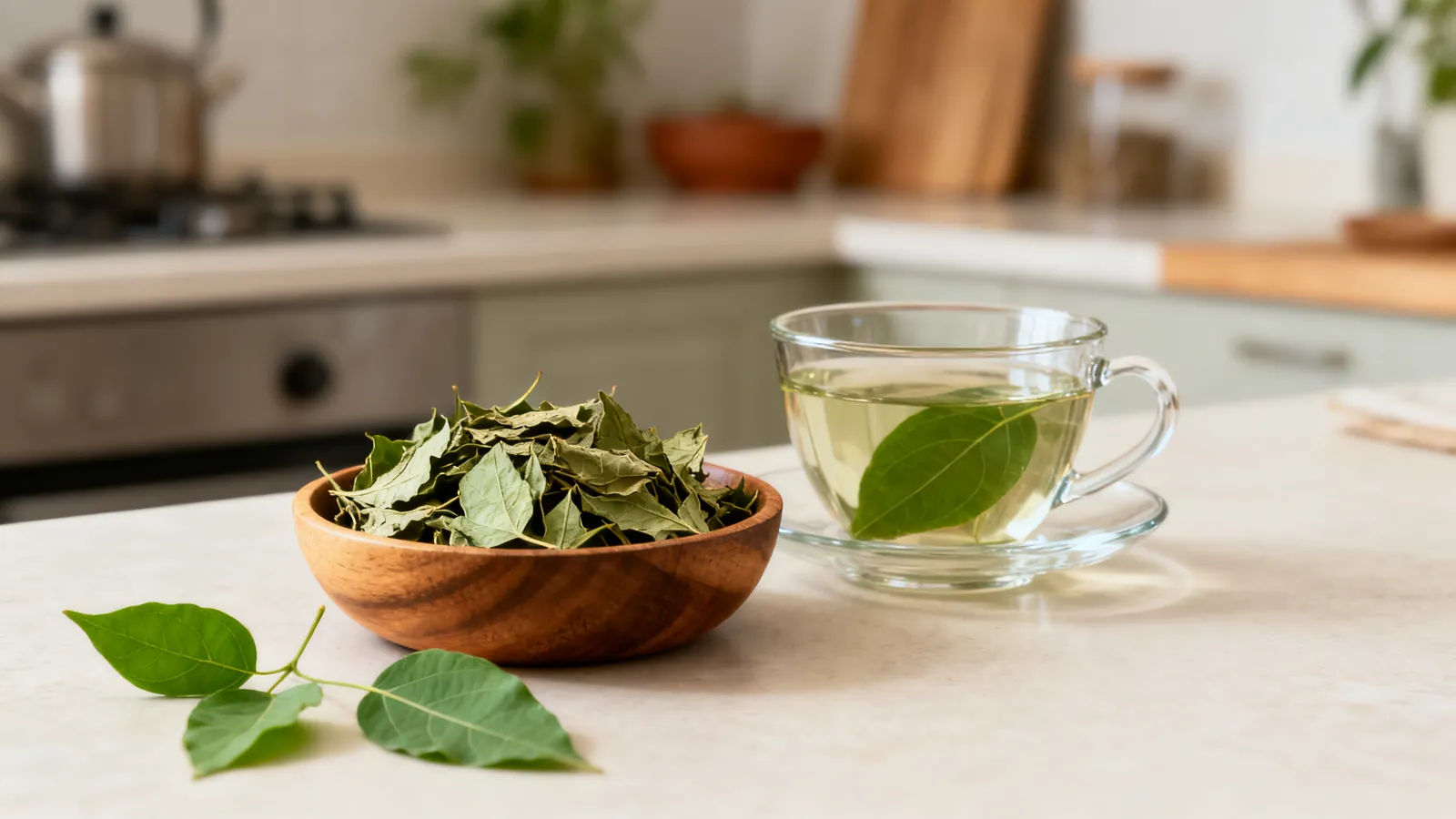
Gymnema sylvestre is a woody climbing plant native to India and parts of Africa, known in Hindi as gurmar, which translates roughly to “sugar destroyer.” The name comes from a curious effect: chewing a fresh leaf temporarily blocks the ability to taste sweetness. For centuries, Ayurvedic practitioners used the leaves for digestive complaints and as a support for people with high blood sugar. Today, gymnema is sold as tea, powder, and standardized extract, often marketed for metabolic health. The research is real but modest, and the herb is not a replacement for prescribed diabetes care.
What gymnema sylvestre is and how it is traditionally used
The active compounds in gymnema are a group of saponins called gymnemic acids, along with peptides like gurmarin. When gymnemic acids contact the tongue, they occupy sweet-taste receptors for a short time, so sugar and honey taste like sand. This effect lasts from a few minutes to about an hour and is the easiest way to identify a genuine leaf or tea. Traditional Indian medicine used gymnema leaf powder for stomach upset, constipation, and as a daily support for people with madhumeha, a term describing sweet-tasting urine and excessive thirst. The leaves were also applied to wounds and used for snakebite in some regions, though those uses have little modern study.
What the research shows about gymnema and blood sugar
Most human research on gymnema has looked at blood glucose, insulin, and lipid markers in people with type 2 diabetes. The evidence is early and mixed. Small trials, often lasting a few weeks to a few months, have suggested that gymnema extract may help lower fasting blood glucose and HbA1c when added to conventional care. A few studies have examined whether it supports insulin secretion, based on animal and laboratory work showing that gymnemic acids may encourage pancreatic beta cells to release insulin. Reviews of the research note that most trials are small, short, and sometimes not blinded, so the results are not strong enough to make firm claims. There is very little research in people without diabetes, and almost none on weight loss or appetite, despite marketing that often implies both. The sweet-blocking effect is well documented, but whether it meaningfully reduces sugar intake over time is not established.
How to use gymnema: tea, powder, and extract
Gymnema is commonly sold as dried leaf for tea, as a loose powder, and as a standardized extract, usually standardized to a percentage of gymnemic acids. The tea is made by steeping one to two teaspoons of dried leaf in hot water for five to ten minutes. It has a slightly bitter, woody taste, and the sweet-blocking effect is noticeable if you taste something sweet afterward. Capsules and extracts are more concentrated. Studies have commonly used amounts in the range of 200 to 500 mg of extract per day, sometimes divided into two doses, or several grams of leaf powder. These are the amounts seen in research and on standard labels; higher amounts are not better and should not be used without medical guidance. Timing varies: some traditional and research protocols use gymnema before meals, while others use it once or twice daily. If you take diabetes medication, coordinate timing with your prescriber, because the herb may add to the glucose-lowering effect. Look for a product that lists the gymnemic acid content and does not blend gymnema with undisclosed ingredients.
Side effects, interactions, and who should avoid it
Gymnema is generally tolerated at typical amounts. The most common effect is the temporary loss of sweet taste, which some people find unpleasant. Less common reports include nausea, stomach upset, and mild hypoglycemia when used alongside glucose-lowering drugs. Because gymnema may lower blood sugar, it can interact with insulin, sulfonylureas, meglitinides, and other diabetes medications. Symptoms of low blood sugar include shakiness, sweating, confusion, and rapid heartbeat, and they need immediate attention. Gymnema may also interact with cholesterol-lowering statins and with drugs that affect the liver. There are case reports of liver enzyme changes in people taking gymnema, so anyone with existing liver disease should be cautious. People who are pregnant or breastfeeding should avoid it, as safety data are lacking. It should not be given to children without a pediatrician’s guidance. If you take any prescription medication, especially for diabetes, blood pressure, or cholesterol, talk to a doctor or pharmacist before starting gymnema. Do not stop or change prescribed medication without the prescriber.
Common mistakes, myths, and what gymnema cannot do
A frequent mistake is treating gymnema as a substitute for diabetes medication or as a way to “reverse” high blood sugar. It is not. The research suggests it may support blood sugar management alongside standard care, but the evidence is not strong enough to replace anything a prescriber has ordered. Another myth is that blocking sweet taste for an hour will curb sugar cravings all day; the effect is temporary and does not change overall diet quality. Some people assume more gymnema means better results, but studies use modest amounts, and higher doses increase the risk of low blood sugar and stomach upset. Gymnema is not a weight-loss herb, and it has not been shown to prevent diabetes in people at risk. Finally, the sweet-blocking effect is not a sign of potency in the blood; it only confirms the leaf contains gymnemic acids.
How gymnema compares with other options
| Option | Form and typical amount | Evidence for blood sugar | Who it may not suit |
|---|---|---|---|
| Gymnema sylvestre | Tea (1–2 tsp leaf), powder, or 200–500 mg extract daily | Small, mixed trials; may support fasting glucose and HbA1c alongside standard care | People on insulin or sulfonylureas without medical supervision; pregnancy; liver disease |
| Berberine | 500 mg one to three times daily, standardized extract | More studied than gymnema; several trials suggest support for glucose and lipids | People on diabetes drugs; pregnancy; some drug interactions via liver enzymes |
| Cinnamon | 1–6 g daily as powder or extract | Mixed; some trials suggest modest fasting glucose effects | People on blood thinners; liver concerns with high doses of certain extracts |
| Fenugreek | 5–10 g seed powder or extract daily | Small trials suggest possible support for fasting glucose and post-meal glucose | People on diabetes drugs; pregnancy; allergy to legumes |
| Chromium | 200–1000 mcg daily as picolinate or chloride | Evidence is mixed and generally weak for glucose control | People with kidney disease; those on insulin without monitoring |
Each of these has its own interactions and cautions. None is a substitute for prescribed care, and combining them without medical advice raises the risk of low blood sugar.
What to look for and how to store it
Dried gymnema leaf should smell faintly earthy and look green-brown, not gray or musty. Extracts should state the gymnemic acid percentage on the label. Store leaf and powder in a sealed container away from light and heat, and use within a year for best quality. If a product claims to cure diabetes or replace medication, treat that as a warning sign, not a selling point.
Common questions
Does gymnema sylvestre really block sugar taste?
Yes. The gymnemic acids in the leaf temporarily occupy sweet-taste receptors on the tongue, so sugar tastes like sand for a few minutes to about an hour. This effect is well documented and is the easiest way to tell a genuine leaf from a fake.
Can gymnema lower blood sugar in people with diabetes?
Some small, short trials suggest it may help lower fasting blood glucose and HbA1c when used alongside standard care. The evidence is mixed and not strong enough to replace medication. If you take diabetes drugs, ask your prescriber before adding it.
How do you make gymnema tea?
Steep one to two teaspoons of dried gymnema leaf in hot water for five to ten minutes. The tea is bitter and woody. Studies more often use standardized extract in amounts around 200 to 500 mg daily, so tea is a gentler traditional option.
What are the side effects of gymnema?
The most common effect is temporary loss of sweet taste. Some people report nausea or stomach upset. Because it may lower blood sugar, it can cause hypoglycemia when combined with insulin or sulfonylureas. Rare liver enzyme changes have been reported.
Who should not take gymnema sylvestre?
People who are pregnant or breastfeeding should avoid it, as safety data are lacking. Anyone with liver disease, or who takes diabetes, cholesterol, or blood pressure medication, should talk to a doctor or pharmacist first. Do not stop prescribed medication without the prescriber.
Read next
Berberine: What It Is, Benefits and How to Take It
Berberine is a yellow plant compound studied for blood sugar and cholesterol. Learn what the research shows, common doses, interactions and who should avoid it.
Berberine Side Effects, Interactions and Safety
Berberine is a yellow plant compound studied for blood sugar. Learn its common stomach side effects, drug interactions, and who should avoid it.
Berberine for Weight Loss: What the Research Shows
Berberine is a yellow plant alkaloid sold for weight loss. Here is what trials measured, how it is used, and who should avoid it.