Berberine: What It Is, Benefits and How to Take It
Berberine is a yellow plant compound studied for blood sugar and cholesterol. Learn what the research shows, common doses, interactions and who should avoid it.
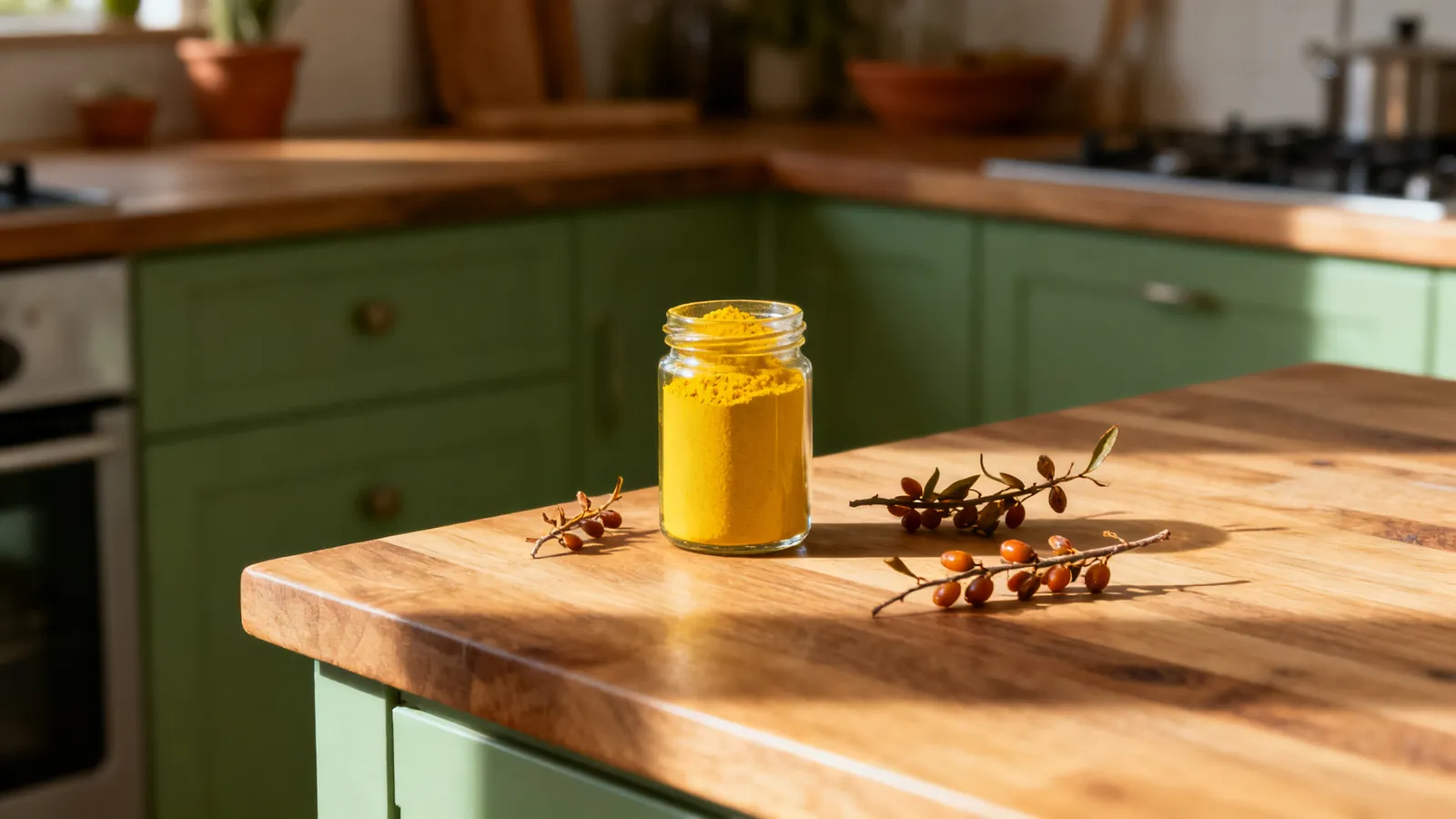
Berberine is a bitter yellow compound found in the roots, rhizomes and bark of several plants, including barberry, goldenseal, Oregon grape and Chinese goldthread. It has a long history in traditional medicine, particularly in Chinese and Ayurvedic practice, where bitter plant preparations were used for digestive complaints and infections. Modern interest centres on its effects on blood sugar and blood lipids, and it has become one of the most searched-for supplements. The research is real but limited, and berberine interacts with a long list of prescription medicines, so it is not a casual addition to a routine.
What berberine is and where it comes from
Berberine is an alkaloid, a type of nitrogen-containing plant compound. It is what gives barberry and goldenseal their bright yellow colour. In plants it appears to act as a defence against microbes and herbivores.
Most supplements are standardised extracts, often berberine hydrochloride (berberine HCl), which is the form used in the majority of clinical studies. Berberine sulfate and berberine phytosome also exist. The phytosome form pairs berberine with phospholipids to improve absorption, because plain berberine is poorly absorbed from the gut. A small fraction enters the bloodstream; much of the effect may come from what it does in the gut and how it influences gut bacteria.
Traditional use varied widely. Barberry bark was used for diarrhoea and digestive upsets; goldenseal was applied to wounds and mucous membranes; Oregon grape root was used similarly. These are different plants with different alkaloid profiles, and the traditional preparations were not standardised. A modern capsule is not the same thing as a decoction of barberry root.
What the research shows, and how strong it is
Berberine has been studied most for blood sugar control in type 2 diabetes. Several small randomised trials and a number of reviews have found that it can lower fasting blood glucose and HbA1c, sometimes by amounts that look meaningful. The evidence is strongest for short-term use in people with type 2 diabetes, but most trials are small, of modest quality, and conducted in single countries. There is no large, long-term trial showing that berberine changes the course of diabetes or prevents complications.
For cholesterol, berberine has been studied as an addition to standard treatment. Some trials report reductions in LDL cholesterol and triglycerides, with modest increases in HDL. The effects are generally smaller than those of statins, and the studies are short.
Other areas have weaker or preliminary evidence. Berberine has been studied for polycystic ovary syndrome, often alongside other approaches, with mixed results. It has been examined for weight loss, gut bacteria changes and inflammation, but the human data are thin. Laboratory studies show antimicrobial and anti-inflammatory activity, but laboratory results do not translate reliably into human effects.
A recurring theme in the research is that berberine’s effects on blood sugar overlap with those of metformin, and some trials have compared the two. That does not make berberine a substitute for metformin or any prescribed medicine. It means the two have been studied in similar territory, and combining them without medical supervision risks low blood sugar.
How berberine is commonly taken
Berberine is usually sold as capsules or tablets of berberine HCl. The amounts most often used in research are 500 mg taken two or three times a day, with meals. That is the range on many standard labels, and it is the range to stay within unless a prescriber says otherwise. Some studies have used 1,000 mg a day in divided doses; others have gone higher, but higher doses bring more digestive side effects.
Timing matters mainly for tolerability. Taking berberine with food reduces nausea and stomach cramping. Dividing the daily amount into two or three doses also helps. The phytosome form is sometimes taken once or twice a day because absorption is better, but the evidence for the phytosome form is smaller than for standard berberine HCl.
A typical approach studied in trials is 500 mg with breakfast and 500 mg with dinner, with a third dose added at lunch if tolerated. Effects on blood sugar, when they occur, are usually seen over several weeks, not days. Anyone taking berberine alongside diabetes medication should monitor blood glucose more often and speak to their prescriber about dose adjustments.
Berberine is not a short-term cleanse or a weight-loss shortcut. The trials that show blood sugar effects ran for weeks to months, with consistent daily use.
Side effects, interactions and who should avoid it
Gastrointestinal effects are the most common: nausea, abdominal cramping, diarrhoea, constipation and bloating. Taking it with meals and starting at a lower dose reduces these. Headache and dizziness are reported less often.
Berberine is a strong inhibitor of several cytochrome P450 enzymes, particularly CYP3A4 and CYP2D6, and of P-glycoprotein. That means it can raise blood levels of many medicines. Named interactions include:
- Metformin and other diabetes medicines, including insulin and sulfonylureas such as glipizide and glyburide: added glucose lowering, risk of hypoglycaemia.
- Statins, including simvastatin, atorvastatin and lovastatin: increased statin exposure and risk of muscle effects.
- Cyclosporine and tacrolimus: raised levels, with potential organ toxicity.
- Warfarin and other anticoagulants: altered effect, bleeding risk.
- Some antidepressants and antipsychotics, including SSRIs and tricyclics metabolised by CYP2D6 or CYP3A4.
- Some antiarrhythmics, antihistamines and benzodiazepines metabolised by the same enzymes.
- Blood pressure medicines: additive lowering of blood pressure.
- Sedatives and central nervous system depressants: additive drowsiness.
Berberine should not be used during pregnancy. It can cross the placenta and has been associated with newborn jaundice and possible uterine effects. It is not recommended during breastfeeding. It should be avoided by anyone with a serious liver or kidney condition, and by people with low blood pressure or a history of fainting. Because it can lower blood pressure and blood sugar, it should be stopped before surgery, and the surgical team should be told.
Goldenseal, one source plant, is not recommended for long-term use, and berberine-containing plants can irritate mucous membranes. Anyone taking any prescription medicine, or with a medical condition, should speak to a doctor or pharmacist before starting berberine. Do not stop or change prescribed diabetes, blood pressure or cholesterol medication without the prescriber’s direction.
Common mistakes and what berberine cannot do
A frequent mistake is treating berberine as a replacement for prescribed medicine. It is not. The trials that show blood sugar effects mostly studied berberine alongside standard care, not instead of it. Stopping metformin or insulin to take berberine is unsafe.
Another mistake is expecting fast results. Blood sugar and cholesterol changes, when they happen, take weeks. Taking a large single dose to speed things up increases the chance of stomach upset and does not improve absorption.
Some people assume all berberine products are the same. They are not. Berberine HCl, berberine sulfate and berberine phytosome differ in absorption and in how much research supports them. Products vary in how much actual berberine they contain, and some contain extracts of goldenseal or barberry rather than isolated berberine. Reading the label for the form and the amount per capsule is more useful than reading front-of-pack claims.
Berberine does not “detox” the body, does not cure diabetes, and does not replace a diet and exercise plan. It is not a treatment for infections, despite traditional use for that purpose. It is not a weight-loss drug. Claims that it melts fat or resets metabolism are not supported by the human evidence.
Comparing common forms
| Form | What it is | Research base | Who it may not suit |
|---|---|---|---|
| Berberine HCl | Standardised extract, most studied form | Largest body of trial evidence | People with sensitive stomachs at higher doses; those on interacting medicines |
| Berberine sulfate | Alternative salt, similar to HCl | Smaller evidence base | Same groups as HCl; limited comparative data |
| Berberine phytosome | Berberine bound to phospholipids for absorption | Fewer, smaller trials | People wanting the most-studied form; cost-sensitive buyers |
| Barberry or goldenseal extract | Whole-plant extracts containing berberine | Traditional use, not standardised | Pregnant or breastfeeding women; anyone needing a known dose |
Practical points before starting
Check the label for the form and the amount of berberine per capsule, not the total extract weight. Start with one 500 mg dose with a meal and build up only if it is tolerated. Tell a doctor or pharmacist about every medicine being taken, including over-the-counter products, because the interaction list is long. Monitor blood sugar if using it alongside diabetes medicine. Stop and seek advice if there is severe stomach pain, signs of low blood sugar, unusual bleeding or bruising, or muscle pain while taking a statin. Berberine is not for pregnancy, breastfeeding, or serious liver or kidney disease, and it should be paused before surgery.
Common questions
What does berberine actually do?
Berberine is a plant compound that has been studied mainly for its effects on blood sugar and cholesterol. Research suggests it may lower fasting glucose and HbA1c in some people with type 2 diabetes, and may modestly improve cholesterol levels. The trials are generally small and short, so the evidence is limited.
How much berberine should I take?
The amounts most often used in research are 500 mg taken two or three times a day, with meals. That is also the range on many standard labels. Taking it with food reduces stomach upset. Do not exceed the label without medical advice.
Can berberine replace metformin or other diabetes medicine?
No. Berberine has been studied alongside standard treatment, not as a replacement. Stopping or changing prescribed diabetes medicine without the prescriber's direction is unsafe. If you take both, blood sugar should be monitored more closely.
What drugs does berberine interact with?
Berberine affects liver enzymes that break down many medicines, so it can raise blood levels of drugs including metformin, sulfonylureas, statins, cyclosporine, tacrolimus, warfarin and some antidepressants and antipsychotics. It can also add to the effects of blood pressure medicines and sedatives. A pharmacist can check a full medicine list.
Who should not take berberine?
Berberine should not be used during pregnancy or breastfeeding, or by anyone with serious liver or kidney disease. It is also best avoided by people with low blood pressure or a history of fainting. Anyone taking prescription medicine should speak to a doctor or pharmacist first.
Read next
Berberine Side Effects, Interactions and Safety
Berberine is a yellow plant compound studied for blood sugar. Learn its common stomach side effects, drug interactions, and who should avoid it.
Berberine for Weight Loss: What the Research Shows
Berberine is a yellow plant alkaloid sold for weight loss. Here is what trials measured, how it is used, and who should avoid it.
Gymnema Sylvestre: The Sugar-Blocking Herb
Gymnema sylvestre is an Ayurvedic herb studied for blood sugar. Learn what research shows, how to use tea or extract, side effects, and who should avoid it.